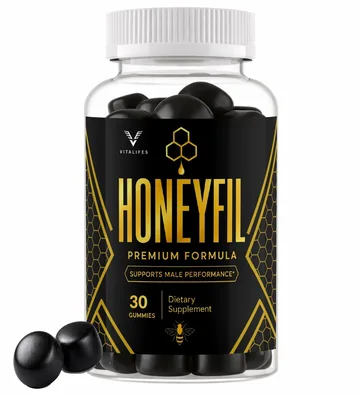
From the blog
What 100 Micrograms of a Herb Actually Means
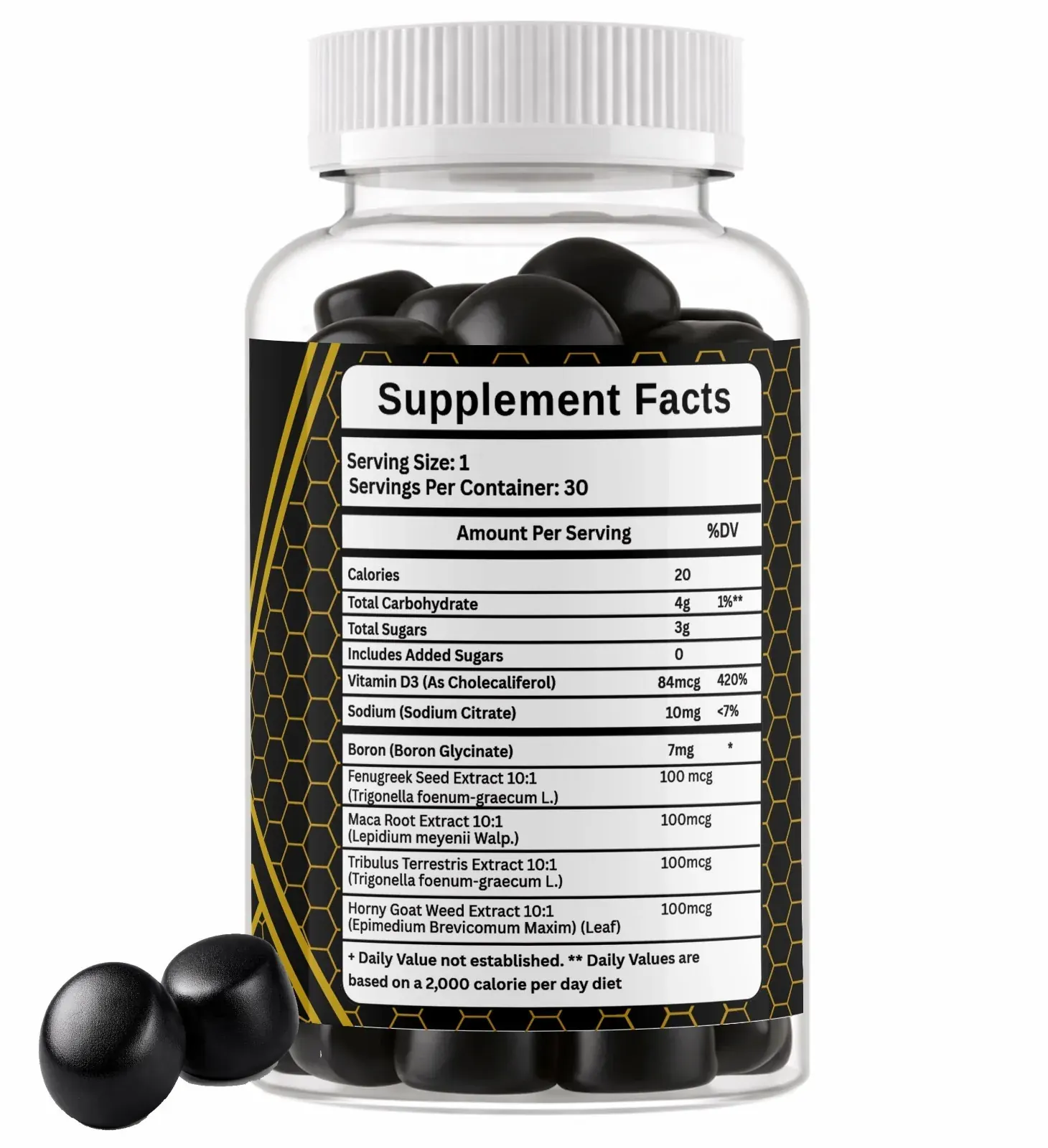
A microgram is a thousandth of a milligram. Research on fenugreek uses 500–600 milligrams a day; on maca, one and a half to three grams. A label printing 100 micrograms is printing a five-thousandth to a twenty-thousandth of those amounts. Four such extracts together come to 0.4 mg, which is less than the weight of a single grain of table salt.
The unit, before the number
The single most useful habit in supplement shopping takes one second: read the unit before you read the number. Not the ingredient name, not the percentage, the unit.
A gram is a gram. A milligram is a thousandth of it. A microgram is a thousandth of that — a millionth of a gram. The abbreviations are “g”, “mg” and “mcg”, and on a printed label at eight point type they look almost identical.
That similarity does a great deal of work in this industry. A label reading “fenugreek seed extract 100 mcg” looks, at a glance, like a label reading “fenugreek seed extract 100 mg”. They differ by a factor of a thousand.
| Unit | Relative to a gram | Everyday comparison |
|---|---|---|
| 1 g | One gram | A quarter teaspoon of salt |
| 100 mg | A tenth of a gram | A standard aspirin is 300 mg |
| 1 mg | A thousandth | Roughly two grains of table salt |
| 100 mcg | A ten-thousandth | A fifth of a grain of salt |
| 1 mcg | A millionth | Not visible |
When micrograms are the right unit
It would be unfair to imply that micrograms are always a red flag. For several ingredients they are exactly correct, and a label using milligrams for them would be alarming.
Vitamin D is measured in micrograms: 20 mcg is the full Daily Value. Vitamin B12 is 2.4 mcg. Folate, iodine, selenium, chromium and vitamin K all live in the microgram range, because the body needs tiny amounts and larger ones cause harm.
The distinction is simple. Vitamins and trace minerals are potent molecules the body uses in minute quantities. Herbal extracts are plant material, and research on them uses hundreds of milligrams to grams. Micrograms on a vitamin line are normal. Micrograms on a botanical line are a decision.
What a 10:1 extract actually is
The four botanicals on this label are all described as “10:1 extracts”, and that ratio is worth understanding because it sounds like it should rescue the arithmetic.
A 10:1 extract means ten parts of raw herb were processed down into one part of extract. So 100 mg of a 10:1 extract represents about 1,000 mg — one gram — of the original plant. It is a genuine concentration, and it is why extracts are used.
Apply that to 100 micrograms and the ratio does not save you. A 10:1 extract at 100 mcg represents about 1 mg of raw herb. One milligram. A pinch of dried herb between finger and thumb weighs more than that.
| On the label | As extract | Equivalent raw herb |
|---|---|---|
| 500 mg of 10:1 extract | 500 mg | About 5 g |
| 100 mg of 10:1 extract | 100 mg | About 1 g |
| 1 mg of 10:1 extract | 1 mg | About 10 mg |
| 100 mcg of 10:1 extract | 0.1 mg | About 1 mg |
The four on this label, against the research
Here is the comparison, using the amounts printed on the panel and the doses the published research actually used.
| Herb | On this label | Used in research | Ratio |
|---|---|---|---|
| Fenugreek seed extract | 100 mcg | 500–600 mg a day (National Center for Complementary and Integrative Health, “Fenugreek”) | About 1/5,000 |
| Maca root extract | 100 mcg | 1.5–3 g a day (National Center for Complementary and Integrative Health, “Maca”) | About 1/20,000 |
| Tribulus terrestris extract | 100 mcg | 250–750 mg a day (Memorial Sloan Kettering Cancer Center, “Tribulus terrestris (About Herbs)”) | About 1/5,000 |
| Horny goat weed extract | 100 mcg | Hundreds of mg a day (Memorial Sloan Kettering Cancer Center, “Epimedium / Horny Goat Weed (About Herbs)”) | About 1/3,000 |
That sliver on the left is the bar. Four extracts at 100 micrograms each come to four tenths of one milligram — less than the weight of a grain of table salt.
There is no reading of the evidence under which a five-thousandth of a studied dose produces a fraction of the studied effect. Dose–response curves do not work that way, and below a certain point an ingredient simply is not doing anything.
Why labels do this
The reason is commercial and completely rational, which is why it is so common.
The ingredient name is what sells the product. A man searching for a testosterone supplement is searching for fenugreek, tribulus, maca and horny goat weed, and a label without those words will not be found or clicked. The raw material, at a real dose, costs money: fenugreek extract at 500 mg a serving across a 30-day bottle is 15 grams of material per bottle, and 100 micrograms is three milligrams.
So the ingredient goes on the label at an amount that satisfies the search and costs almost nothing. The practice has a nickname in the trade — fairy dusting — and it is legal, provided the label is accurate. The label here is accurate. That is the point.
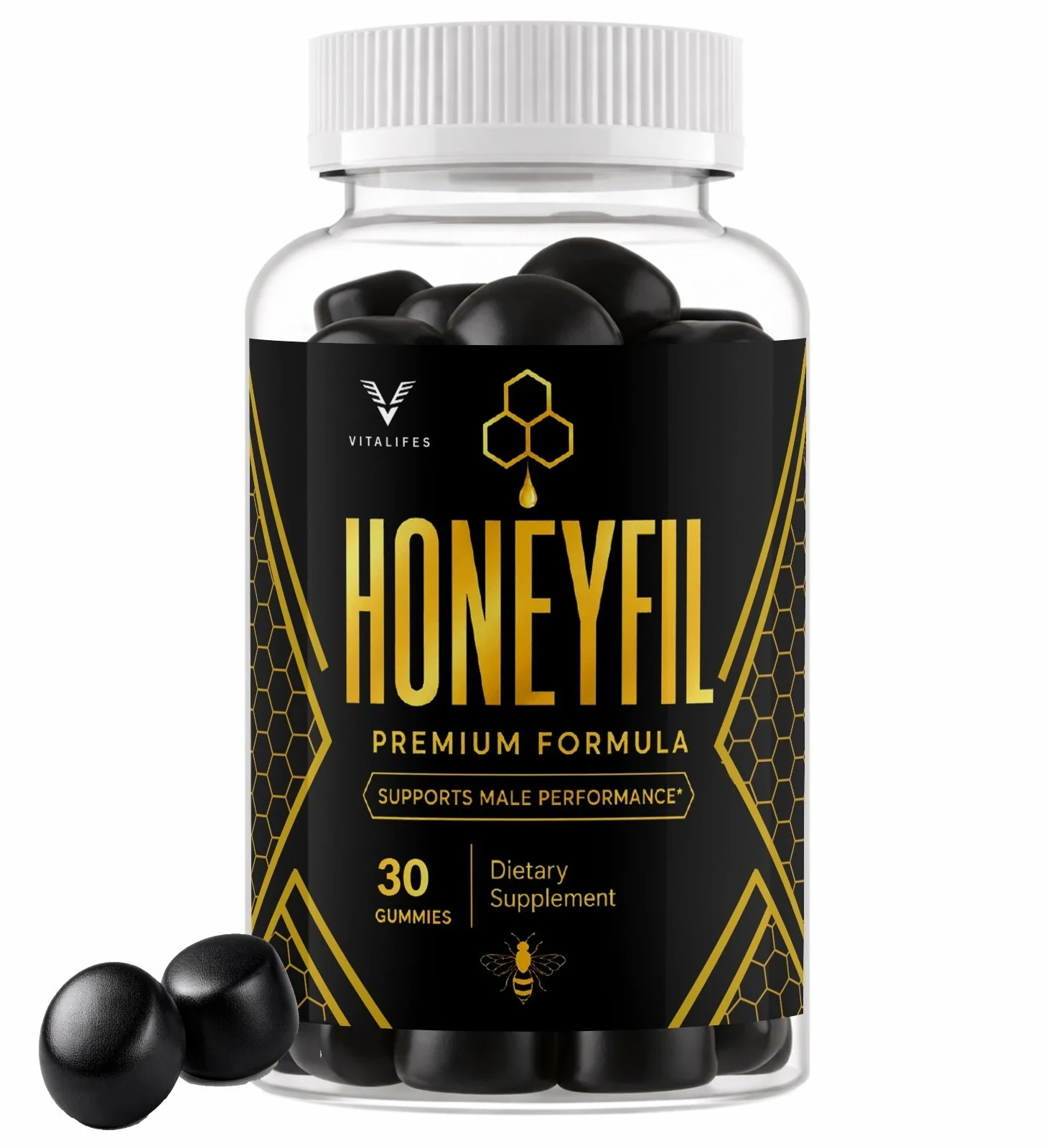
See every HoneyFil amount, printed on the panel.
Check today’s priceThe uncomfortable compliment
Here is the part that complicates the criticism, and it belongs on the page. HoneyFil printed these numbers. It did not hide its botanicals inside a proprietary blend with one total weight, which is what most products in this category do and what makes them impossible to review at all.
A product with “Male Performance Blend 500 mg” on the label might contain the same four herbs at the same 100 micrograms, with 499.6 mg of filler making up the rest, and nobody outside the factory could ever tell. This label let you find out in thirty seconds.
So the honest summary is two sentences that sit awkwardly together: the amounts are far too small to do anything, and the maker deserves credit for letting you see that. We would rather have an honest small number than a hidden one.
How to check any label in two minutes
Find the unit
mcg or mg. Everything else follows from this.
Separate vitamins from botanicals
Micrograms are normal for vitamin D, B12, folate, iodine and selenium. They are not normal for a plant extract.
Search the herb plus “dose” plus the outcome
The abstract of almost any trial gives the dose in its first few lines.
Divide
Label amount ÷ studied amount. Under a tenth is decoration.
Sanity-check the total
A gummy holds three or four grams, most of it sugar and gelling agent. Any label claiming grams of active ingredients in one gummy is describing a gummy that does not exist.
The bottom line
A microgram is a thousandth of a milligram, and a 10:1 extract at 100 micrograms represents about a milligram of raw herb. Research on the four botanicals in this product uses hundreds of milligrams to grams a day.
All four together, in one HoneyFil gummy, weigh four tenths of one milligram. Read the unit before the number, and most of this category answers itself.
Sources
- National Center for Complementary and Integrative Health. Fenugreek. NCCIH, current page. Checked September 24, 2026.
- National Center for Complementary and Integrative Health. Maca. NCCIH, current page. Checked September 24, 2026.
- Memorial Sloan Kettering Cancer Center. Tribulus terrestris (About Herbs). MSK integrative medicine database. Checked September 24, 2026.
- Memorial Sloan Kettering Cancer Center. Epimedium / Horny Goat Weed (About Herbs). MSK integrative medicine database. Checked September 24, 2026.
- U.S. Food and Drug Administration. Dietary Supplements: What You Need to Know. FDA, current revision. Checked September 24, 2026.
Questions on this topic
More answers on the full FAQ page.
How much is 100 micrograms?
A tenth of a milligram, or a ten-thousandth of a gram. Roughly a fifth of a grain of table salt.
Does a 10:1 extract change the maths?
Not meaningfully. A 10:1 extract at 100 mcg represents about 1 mg of raw herb.
Are micrograms always a bad sign?
No. Vitamin D, B12, folate, iodine and selenium are correctly measured in micrograms. Herbal extracts are not.
What is fairy dusting?
Putting a recognisable ingredient on a label at an amount too small to do anything, so the name can be used in marketing.
Ready to try HoneyFil?
Pick a pack and see the price at checkout. The money-back guarantee is 60 days from purchase, unless the sales page prints a longer window. Questions first? Contact the order desk.
Sold through a USA Authorized HoneyFil Retailer. This site is not the manufacturer and earns when you buy.Keep reading
420% of the vitamin D Daily Value
What 84 micrograms of vitamin D3 means in IU, how close it sits to the adult upper limit, …
Read more →Gummies vs capsules
Why gummies hold less active ingredient than capsules, what the sugar adds up to, why they…
Read more →HoneyFil ingredients
All seven, with the amounts printed on the panel.
Read more →